


The realisation
As Tim Mergelsberg After completing his civilian service from 2003 to 2005 in the Istok village project, a workshop for people with disabilities on Lake Baikal, he immediately became enthusiastic about birch bark and its many uses and set up a birch bark processing workshop with his friend Jakob Steigerwald, who was also doing his voluntary service in Istok.
The first few months were all about understanding this unique material. Tim travelled a lot through Siberia and learned the secrets of processing the bark as well as about Russian hospitality.
A few weeks and many blinis (pancakes) later, Tim and Jakob set to work. They created the first factory in a Siberian project for people with disabilities who are involved in the value creation process. The aim was to enable Istok to slowly free itself from its dependence on donations from the West.
Since then, Tim Mergelsberg has travelled to Siberia every year, where he maintains close contact with Istok and family businesses that now also produce tins for him and has become an expert in all types of birch bark processing. He also works closely with craftsmen and designers in Germany who have dedicated themselves to birch bark.
But he takes particular pleasure in taking his three young children into the warehouse and workshop to cut off pieces of birch bark. He has long since passed on his love of birch bark to them.
The idea
In 2004, Joachim Heinz approached the Istok social village project with the idea of bringing the regional tea Sagaan Dailya to the European market in cans made from birch bark, thus providing the impetus for the founding of the birch bark workshop. Everyone should win: Joachim, who needed the tins, the Istok project for the disabled, for whom a steady income was important, and the customers in Europe, who can buy these beautiful containers.
 The name
The establishment of the birch bark workshop in Istok is also the cradle of sagaan. After the tea mentioned above sagaan named to this day. „Sagaan Dailya“ comes from Buryat, an indigenous language of a Mongolian ethnic group in Eastern Siberia, and means „white wing“. These wings can still be recognised in our logo today. And since „sagaan“ means „white“, it still fits very well with our work with the white tree, the birch.
The company
After the birch bark workshop in Istok had been set up Tim Mergelsberg, who is still managing director today, realised the idea of sagaan and found in his former fellow student Colin Bertrand a reliable and long-standing pioneer in the development of the company.
Tim quickly realised that European food laws are not that simple. But he couldn't let go of his enthusiasm for the bark: This light cork was too warm and soft in his hand. The precious tea led him to the far more valuable material, which was originally only intended to form the shell. But Tim has known ever since he picked up the bark for the first time that it has a lot to offer.
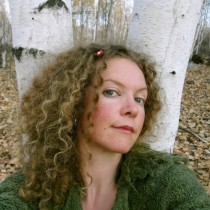 Since then, everything at sagaan has lived for the birch, including Ulrike Bohnet, who is co-curator of the exhibition »Shamans of Siberia. Magician - Mediator - Healer« at the Stuttgart Ethnological Museum (Lindenmuseum) and an enthusiastic collector of valuable rare materials.
As an ethnologist and artist, she gives lectures on Siberia and the birch tree together with Tim. Also Workshops and courses the duo organises together. Ulrike is also a sales fairy at Christmas markets in southern Germany.
Before Colin led Nicolai years of storage and shipping. Even though we normally like liquid crystal less than solid and special materials such as birch bark, we also have to deal with the screen. Nico has not only created this beautiful site for us, he is also our saviour whenever it comes to computer technology.