
I'm glad you decided in favour of a birch bark container!
In principle, the following applies:
As natural products, birch cans do not require any special care.
To ensure that you are happy with your birch container for a long time, you can follow the instructions below:
Before use
You can wipe out the birch can with a damp cloth before use. Then leave the container open for approx. 2-3 hours so that the moisture balance can re-establish itself.
Cleaning
Clean your Storage tin or the Bread box simply with a damp cloth.
Shake out loose breadcrumbs regularly.
If microorganisms have formed after a long storage period despite the antiseptic effect, you can simply rub the birch bark with a little vinegar and then leave it open. Unpleasant bugs or mould spores can be effectively killed by heating the lunch box in your oven to over 50°C for approx. 20 minutes.
If you want to remove stubborn dirt, you can also wash the birch can briefly with water. However, make sure that the water is not too hot and does not remain on the birch can for too long. Most connections are only plugged in and can be loosened by warm water.
Birch bark care
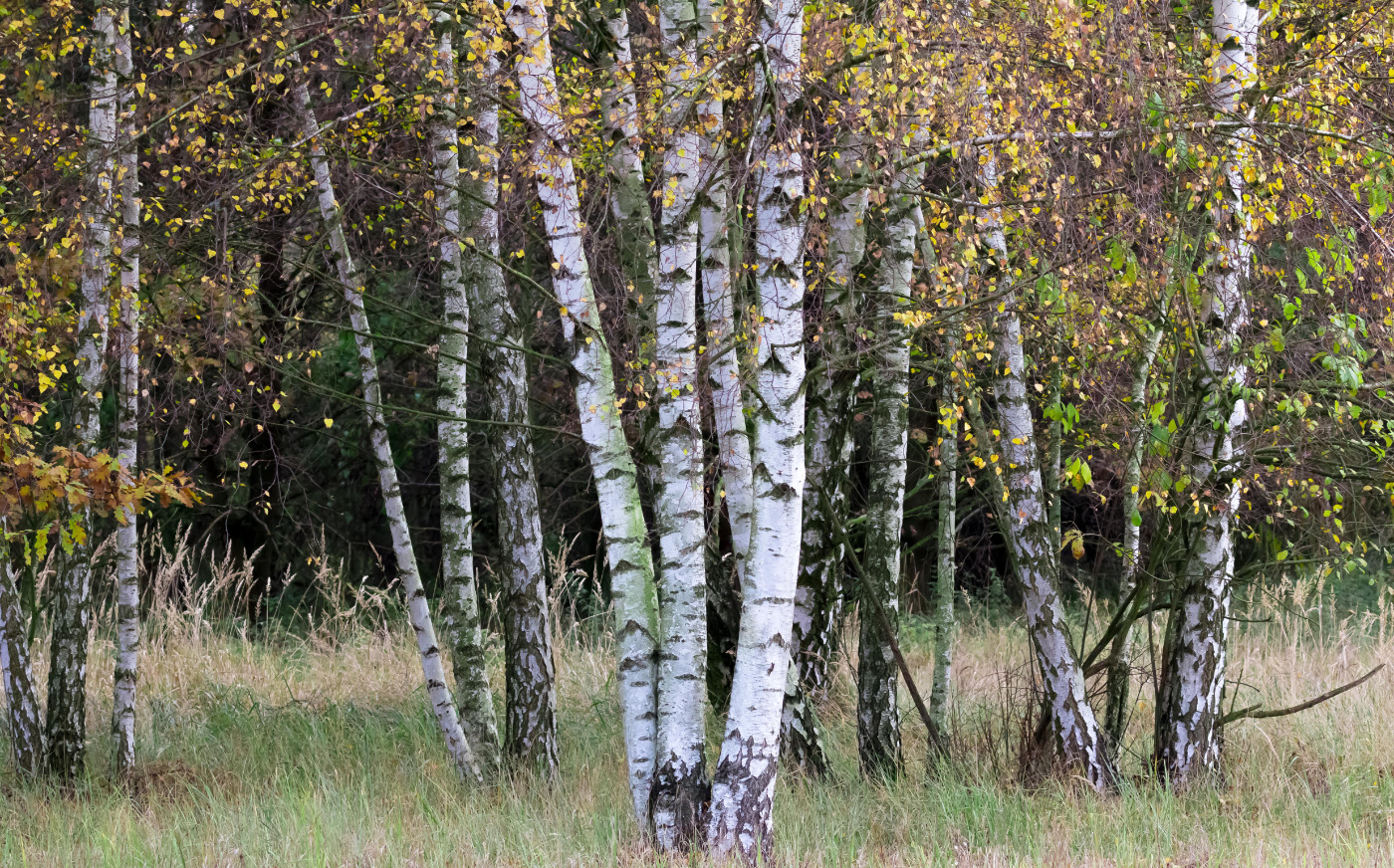
As the bark is a natural material, the colour tones vary. This is completely normal and is reminiscent of the living taiga. Birch bark darkens slightly over time.
We strongly advise you not to oil your birch bark tin with sunflower oil, for example. The oil that coats the surface of the birch bark can become rancid and lead to food spoilage. The essential oils naturally contained in birch bark grease your lunch box in a natural way.
Especially for Bread boxes
Store bread
Birch bark is particularly suitable for storing bread and rolls that have been baked without preservatives or similar additives. On warm summer days, unfavourable room climates can occasionally cause bread to become particularly sweaty. In such cases, we recommend that you do not close the lid tightly, but simply leave it ajar or put it on to ensure more air circulation. It is particularly important for the baked goods to benefit from the air circulation without drying out. As bread often rests in large areas on the bottom of the tin, it starts to sweat. We therefore recommend using a small Wooden lattice underneath.
-
 Wooden lattice for bread bins8,90 € - 14,90 €
incl. VAT
plus. Shipping costs
Wooden lattice
Your bread is best stored in the bread tin if it is ventilated from all sides. Excess moisture can then be absorbed by the air at all points of the loaf and removed via the crust and seam holes. You can achieve this ideal storage by placing a spacer wooden grid on the bottom of the tin. When developing such spacers, we chose Swiss stone pine because its wood naturally keeps pests away. Our grids, which are made for us by a workshop for disabled people (WfbM) in Germany, offer additional protection and ensure that your bread stays fresh and tasty. You can find our wooden grids here in the shop!